

Secondary Trauma and Compassion Fatigue
Tools to help the clinician love their work again!
August 27th, 2026 | 1pm to 5pm Central Time | Online Training | 4 CE’s available
Registration will be available on July 1st
Date Friday April 24 to Monday April 27 at Hilton Tampa Airport Westshore
Inspired Memory Care, provider #1756, is approved to offer social work continuing education by the Association of Social Work Boards (ASWB) Approved Continuing Education (ACE) program. Organizations, not individual courses, are approved as ACE providers. State and provincial regulatory boards have the final authority to determine whether an individual course may be accepted for continuing education credit. Inspired Memory Care maintains responsibility for this course. ACE provider approval period:11/19/24-11/19/27. Social workers participating in this course receive 4 continuing education credits.
Summary
Mental health clinicians routinely absorb the emotional pain, traumatic narratives, grief, fear, and hopelessness experienced by their clients. Over time, this repeated empathetic process can contribute to chronic stress, and ultimately compassion fatigue. Over time many clinicians begin to experience increasing emotional numbness, irritability, cynicism, sleep disturbance, hopelessness, detachment, or loss of therapeutic presence without recognizing what is happening to them until it becomes an issue outside their work.
This training explores the experience of empathy, and how the clinician’s emotional needs can put them at risk for secondary trauma, and the emotional exhaustion that leads to compassion fatigue. Participants will examine their individual emotional needs, the strategies they use to get these needs met, as well as how they cope when they can’t meet them. Participants will develop an understanding of how their emotional needs dictate the nature of their empathetic connection to others, as well as the level of traumatic stress, and compassion fatigue they experience.
Participants will learn basic tools to manage their emotional needs, and move toward a more useful empathetic connection to their clients. With a focus on awareness of core emotional needs, and emotional leveling, participants will develop skills that allow them to empathetically connect to others without the experience of secondary traumatic stress and emotional exhaustion. Participants will be able to identify their emotional responses that put them at risk, and respond with more mature, and useful strategies of empathetic connection
Learning Objectives
- Understand the concept of emotional leveling, and the coping strategies of Virginia Satir, as well as the concept of core emotional needs. Participants will be able to display competence with these concepts regarding themselves and others.
- Participants will understand their own emotional needs, the strategies they use to meet their needs, and their emotional response when they cannot get their needs met. Participants will be able to identify, and describe the impact this process has on their empathetic connection to others, as well as their individual emotional wellbeing.
- Participants will be able to identify their emotional needs, and recognize when their connection to others is focused on meeting their needs. They will be able to identify strategies to interrupt this pattern, and connect with their clients in a way that decreases their risk for secondary trauma, and compassion fatigue.
Training Outline
Hour 1. Understanding Secondary Trauma and Compassion Fatigue
- Definitions and core concepts
- Emotional and physiological structure
- The structure of empathy and emotional connection to others
- Self vs Others focus and the concept of emotional maturity

Hour 2. The Emotional Experience of the Clinician
- The Satir model, and emotional leveling
- Leveling and coping when it’s hard
- Core emotional needs: A Heuristic
- The origin and function of emotional needs
Hour 3. Doing Empathy Differently
- Your empathy is structured around your emotional needs
- Empathy as a strategy of function
- What do you emotionally need, and what are you doing to get it?
- Is it time to do this differently?
- Acceptance, forgiveness, and the reframe
Hour 4. Integration and Learning
- Reframing emotional need as a practice
- Interrupting emotional triggers that change empathy
- Your plan for self-care… putting it all together
Cost:
$150 per person and space is limited. If you wish to attend this training, call Sioux Falls Hypnosis at 605-702-6691 to begin your registration process.
Refunds/Cancelations:
If a student cancels prior to the first day of training, they will receive a complete refund, minus applicable credit card, or other transfer fees. If a student does not feel that the training course fits their needs at the end of the first day, they will receive a complete refund minus any applicable transfer fees. If a student completes the training, and does not feel satisfied with training, they will be refunded half of the cost of the training. Any other complaint or dispute can be addressed directly with Dr. Burow.
Trainer
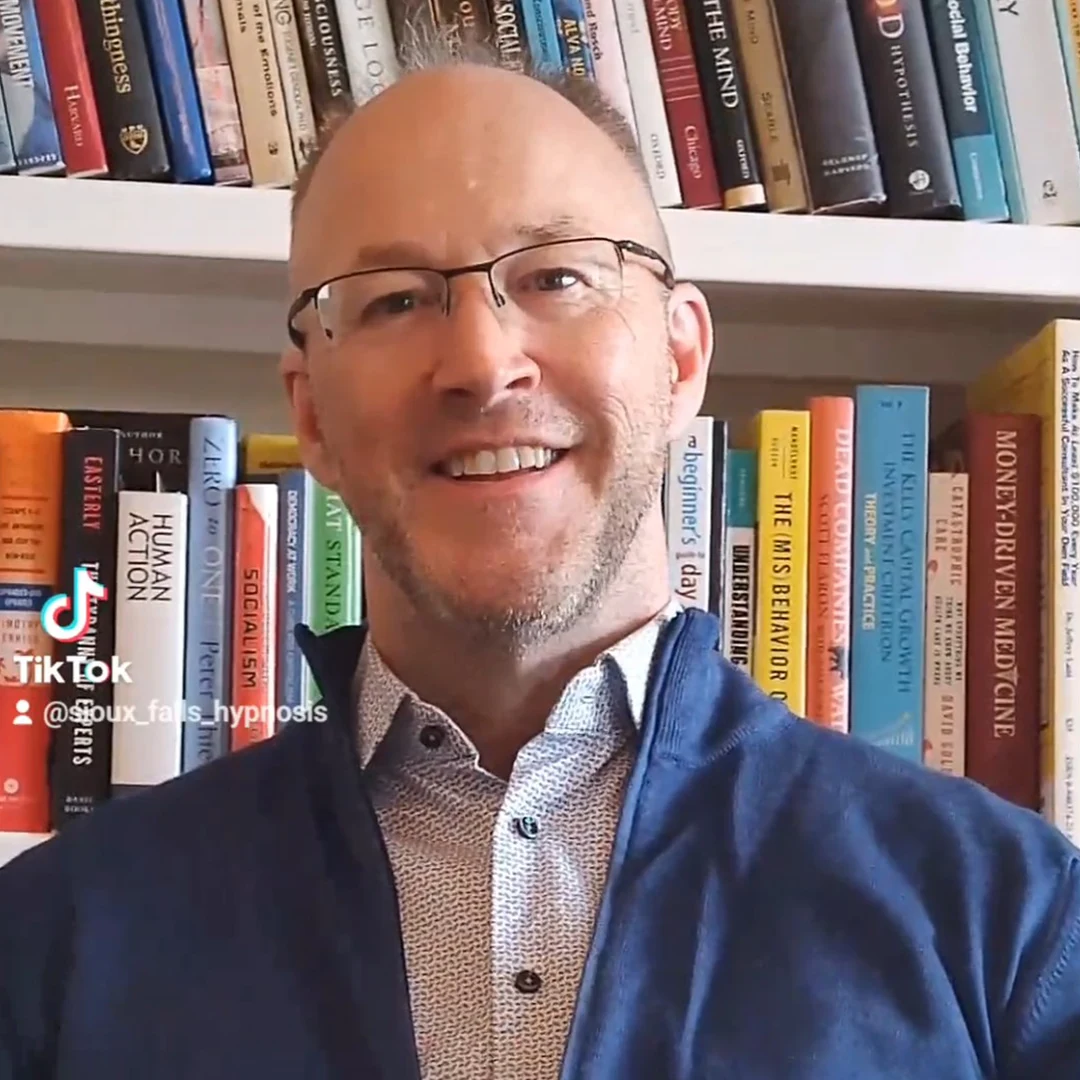
Daniel Burow is a psychologist, consultant, trainer, and C-suite executive for mental health operations nation wide. He started his career as a Professor of Psychiatry at the University of South Dakota School of Medicine. He left this position to be a founding partner, and Vice President of Operations at Curaquick, one of the nation’s first retail health care chains. The Curaquick team opened low-cost health care clinics in seven states working with both Walmart and HyVee stores. Daniel sold his interests in Curaquick, and went on to become the Chief Clinical Officer at Deer Oaks Mental Health. He was part of the management team that took Deer Oaks from 180 clinicians in 9 states to 360 clinicians in 19 states.
During his time at Deer Oaks, the company went from 13 million to 30 million a year in revenue. Daniel left Deer Oaks to take the position of Vice President of Operations with Medoptions, the nation’s largest provider of behavioral health services in rehabilitation and long-term care. At Medoptions he worked with a staff of more than 800 Social Workers, Psychologists and Psychiatrists providing care in 21 states, including psychotherapy and psychiatry services.
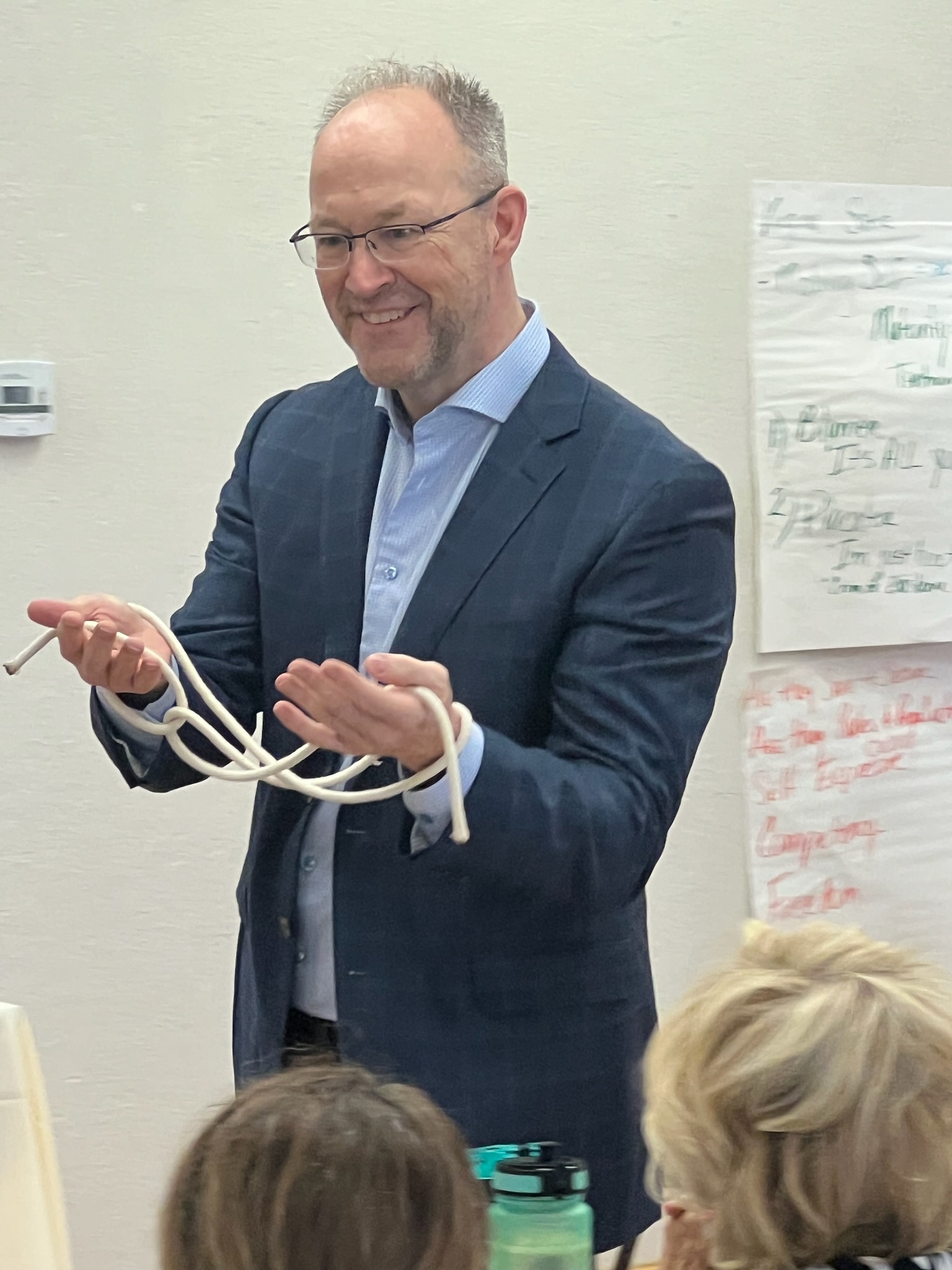
Currently, Daniel is the Director of Clinical Operations at Sailor Health, the nation’s premier online behavioral health service specializing in older adults. He is also the president of the Master Hypnotist Society which provides training, certification, supervision, and support for both clinical, and lay hypnotists across the U.S. and Canada. Daniel is the author of Rebels Poets and Mystics, published in 2008, The Bigger Picture, published in 2021 and available on Amazon, and his latest book, Change and Maturity published in 2025, available at masterhypnotistsociety.com.